
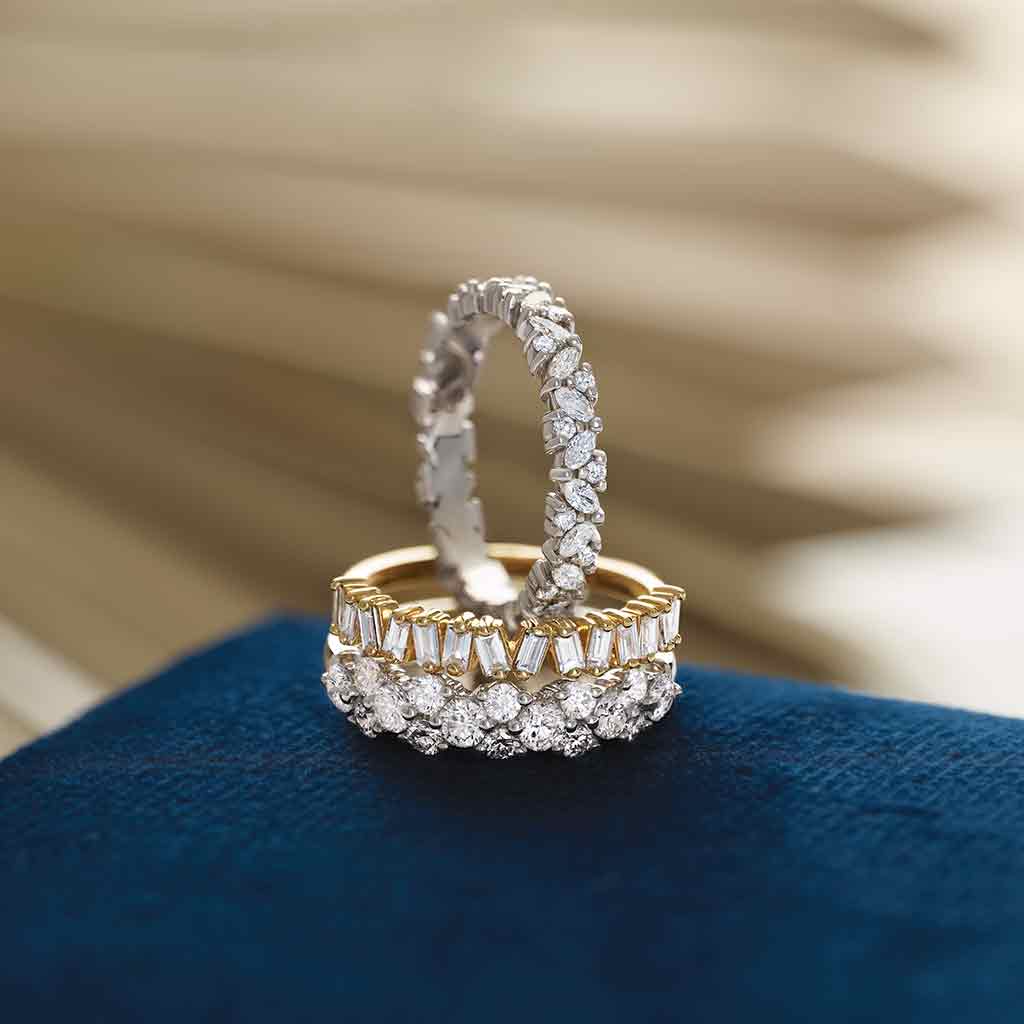
Diamond jewelry
Diamond necklaces, earrings, and bracelets, made to order. Set in sterling silver, 14K gold-fill, and solid 14K gold.
Shop diamond jewelry


Shop by category


About diamond
Diamond is a pure crystalline carbon, formed under extreme heat and pressure deep in the Earth's mantle rated 10 on the Mohs hardness scale, Diamond rates 10 on the Mohs hardness scale, the hardest natural material known. For context, a steel nail is roughly 6.5, and sapphire is 9. At 10, diamond is exceptionally resistant to scratching and well-suited to everyday wear in any style of jewelry. Clean with warm soapy water and a soft brush. The stone tolerates ultrasonic and steam cleaning, though clarity-enhanced or fracture-filled diamonds should be cleaned more gently.. Its color ranges from colorless to near-colorless, with rare and prized fancy colors including yellow, pink, blue, and green, with the most prized stones showing even saturation and high clarity.
Diamonds form deep in the Earth's mantle and are brought to the surface through volcanic kimberlite eruptions. They have been treasured for thousands of years, with the name derived from the Greek adamas, meaning unconquerable. Today diamonds come from many sources including Botswana, Russia, Canada, Australia, and South Africa. Lab-grown diamonds have become a significant part of the market, offering chemically identical stones at lower price points with traceable origins.
Historically, diamond has been associated with strength, commitment, and clarity. In crystal healing and metaphysical traditions, diamond is associated with the Crown Chakra. It is linked to amplification of intention, mental clarity, and unwavering commitment. Practitioners often use it as a stone for important promises and life milestones, themes that align with its cultural role as the gemstone of engagement and lasting bonds.
Diamond vs white sapphire
Same color family, different stones. Here's how to choose.
Diamond
Diamond and white sapphire are entirely different minerals. Diamond is pure crystalline carbon and rates 10 on the Mohs hardness scale; white sapphire is a variety of corundum and rates 9. Diamond shows distinctive dispersive fire and high refractive index; white sapphire reads as cleaner and more uniformly bright but without the same prismatic flash.
White Sapphire
Diamond is the traditional April birthstone and carries significantly higher price points along with cultural weight. White sapphire reads as a clean, bright colorless alternative at far more accessible cost, with the same hardness profile minus the dispersive fire. If you are deciding between the two for April birthstone jewelry, diamond offers the heirloom investment and traditional symbolism; white sapphire offers the same durability and clean look at a fraction of the price.
Born in April?
Diamond is the modern birthstone for April April birthstone. For people who follow birthstone jewelry traditions, diamond makes a lasting gift for anyone born in April. Its colorless brilliance pairs with any wardrobe, the stone is the most durable of all gemstones, and the cultural weight as a symbol of commitment makes it meaningful for milestones beyond birthdays.
See all April birthstones on the April birthstone jewelry hub.
Shop April birthstone jewelryShop more
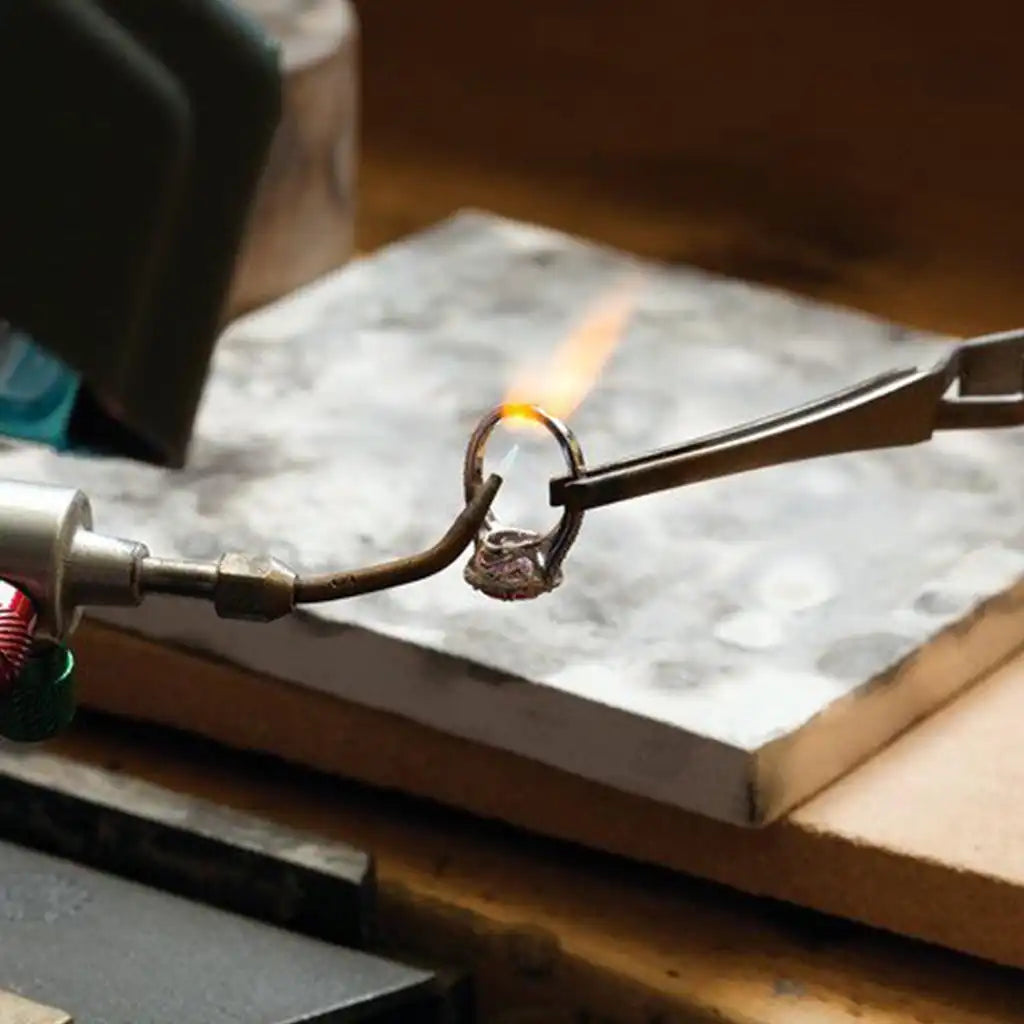

Made to order in the US
Every diamond piece is made to order, ships in 1 to 3 business days or 2 to 3 weeks depending on the piece, and arrives in eco-friendly gift packaging.