
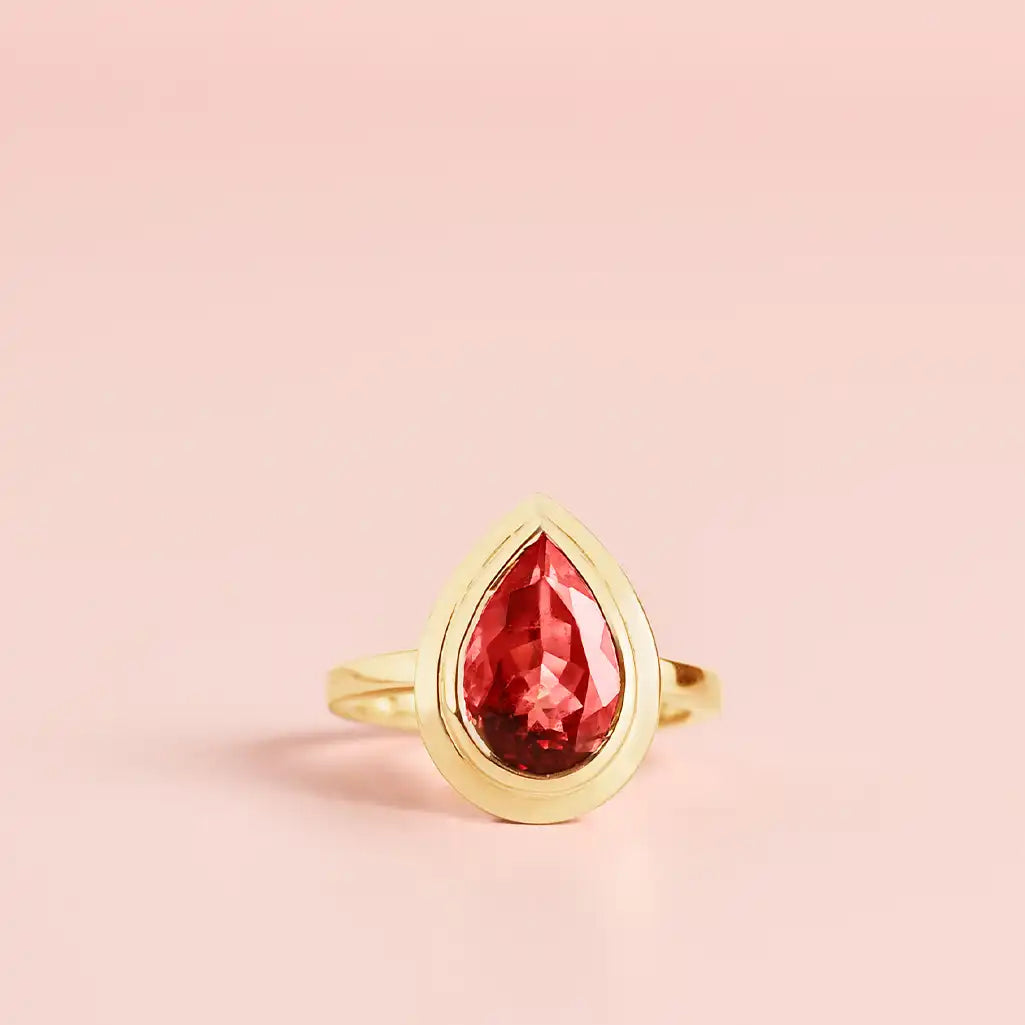
Tourmaline jewelry
Handcrafted tourmaline necklaces, earrings, and bracelets, made to order in our Colorado studio. Set in sterling silver, 14K gold-fill, and solid 14K gold.
Shop tourmaline jewelry


Shop by category


About tourmaline
Tourmaline is a a complex group of borosilicate minerals, with different chemistries producing different colors rated 7 on the Mohs hardness scale, Tourmaline rates 7 to 7.5 on the Mohs hardness scale. For context, a steel nail is roughly 6.5, sapphire is 9, and diamond is 10. At 7 to 7.5, tourmaline is durable enough for everyday wear in necklaces, earrings, and bracelets. Ring settings benefit from a protective mount. Avoid sudden temperature changes and ultrasonic cleaners.. Its color ranges from the widest color range of any gemstone, from pink and red rubellite to green verdelite, blue indicolite, and the watermelon variety with pink centers and green rims, with the most prized stones showing even saturation and high clarity.
Tourmaline takes its name from the Sinhalese turamali, meaning stone of mixed colors. For centuries tourmalines were mistaken for other gemstones, including a famous pink tourmaline in the Russian crown jewels long believed to be a ruby. Major sources today include Brazil, Afghanistan, Nigeria, Mozambique, and the United States, with Maine and California producing notable pink and watermelon material.
Historically, tourmaline has been associated with creative energy, protection, and emotional balance. In crystal healing and metaphysical traditions, tourmaline is associated with multiple chakras depending on color, and is considered a grounding and protective stone across varieties. Pink tourmaline is linked to the Heart Chakra and self-love; black tourmaline to grounding and energetic shielding. Practitioners often use it as a stone for creative expression and steady protection, themes that align with October's reflective, transitional energy.
Tourmaline vs sapphire
Same color family, different stones. Here's how to choose.
Tourmaline
Tourmaline and sapphire are entirely different mineral families. Sapphire is a variety of corundum and rates 9 on the Mohs hardness scale; tourmaline is a borosilicate group and rates 7 to 7.5. Sapphire comes in many colors but each is a single saturation; tourmaline ranges across nearly every color of the spectrum, including bicolor and watermelon varieties unique to the species.
Sapphire
Sapphire is harder, more traditional, and carries significantly higher price points. Tourmaline offers a much wider color palette, including hues sapphire does not produce, at far more accessible pricing. If you are deciding between the two for a colored gemstone, sapphire is the heirloom investment; tourmaline gives you more creative range.
Born in October?
Tourmaline is one of two modern birthstones for October October birthstones, alongside tourmaline and opal are both modern birthstones for October. For people who follow birthstone jewelry traditions, tourmaline makes a versatile gift for anyone born in October. Its color range means you can choose the exact tone that suits the recipient, the stone is durable enough for daily wear, and the symbolism of creative energy and protection works for any age.
See all October birthstones on the October birthstone jewelry hub.
Shop October birthstone jewelryShop more
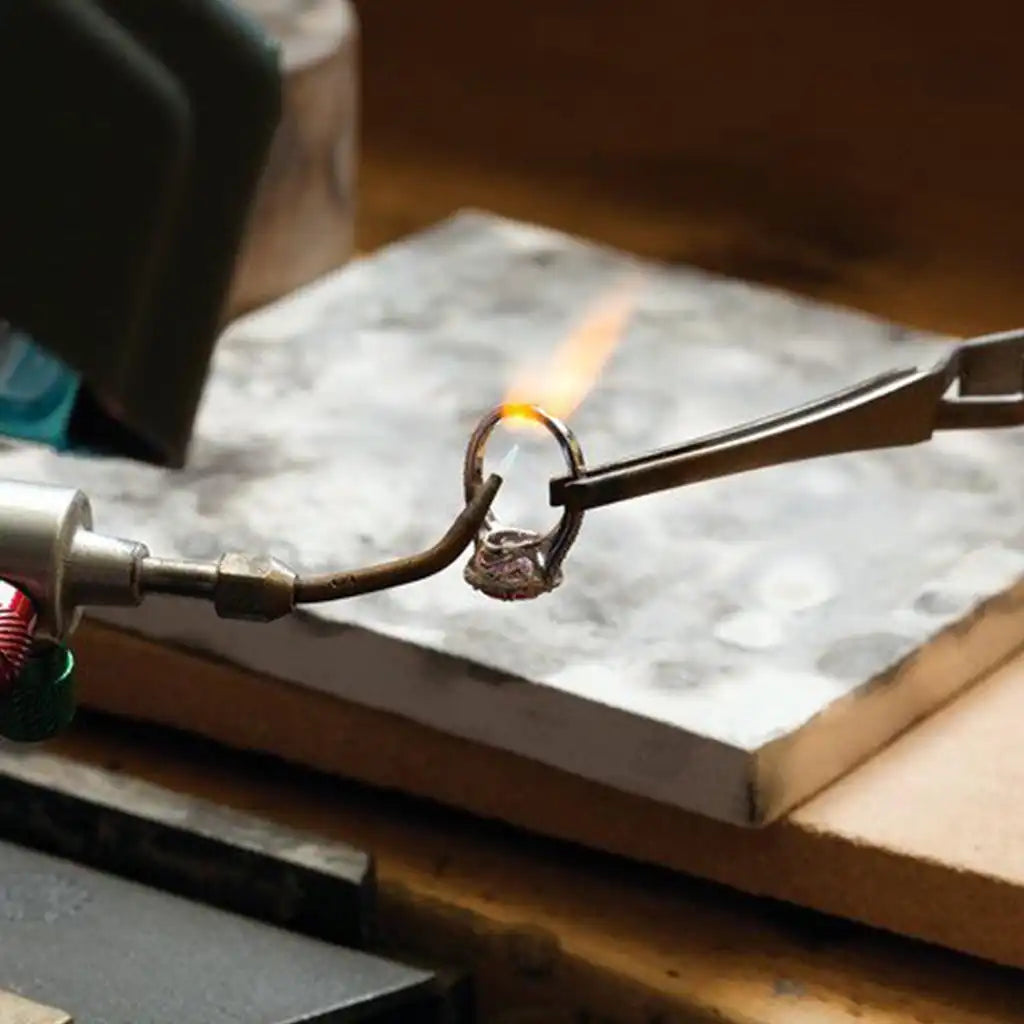

Made to order in Colorado
Every tourmaline piece is handcrafted to order in our Steamboat Springs studio, shipped in about 10 business days, and arrives in eco-friendly gift packaging.