
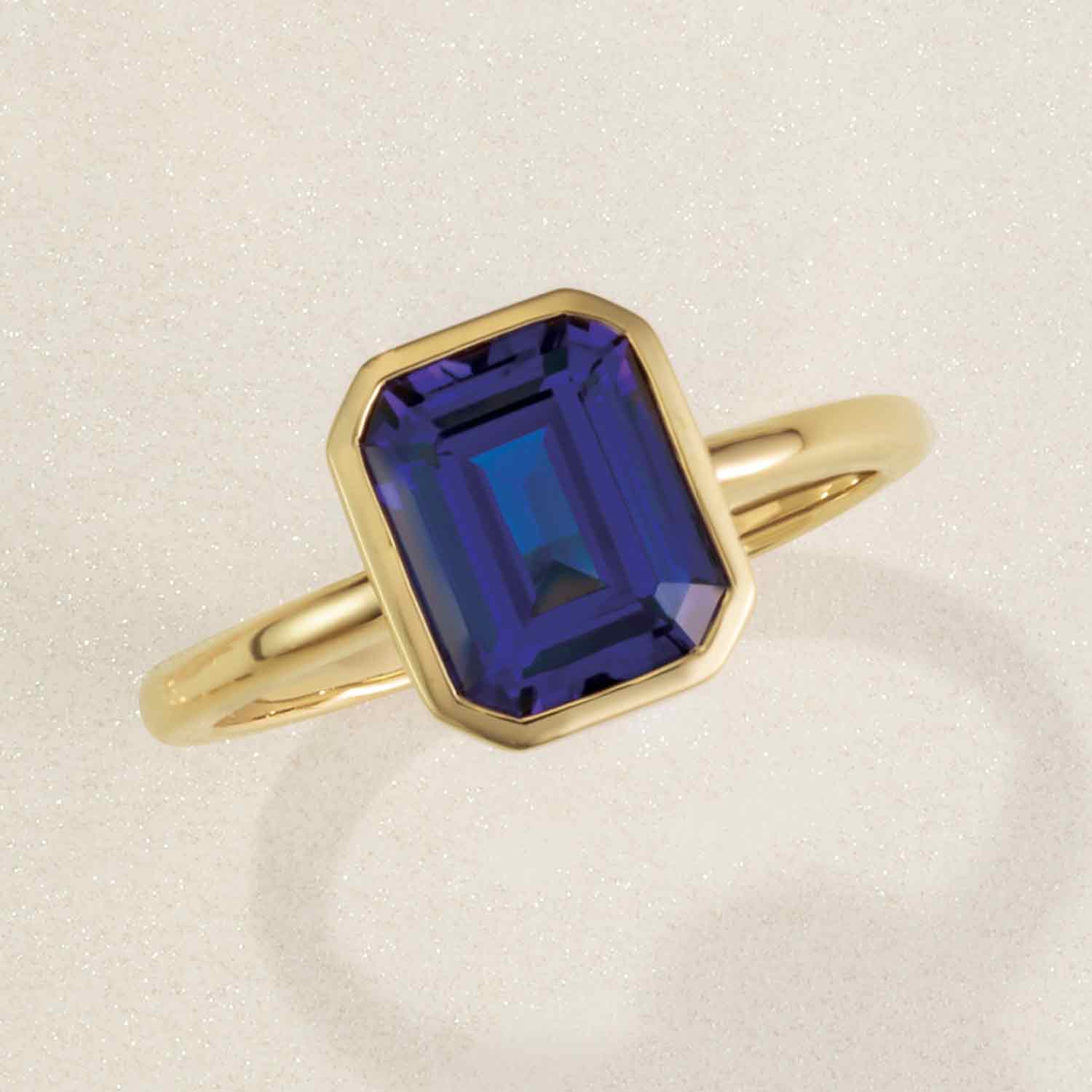
Sapphire jewelry
Sapphire necklaces, earrings, and bracelets, made to order. Set in sterling silver, 14K gold-fill, and solid 14K gold.
Shop sapphire jewelry


Shop by category


About sapphire
Sapphire is a a variety of corundum, the same mineral as ruby, with blue color from trace iron and titanium rated 9 on the Mohs hardness scale, Sapphire rates 9 on the Mohs hardness scale, second only to diamond among natural gemstones. For context, a steel nail is roughly 6.5, ruby shares sapphire's 9 rating, and diamond is 10. At 9, sapphire is exceptionally durable and well-suited to everyday wear in any style of jewelry, including rings. Clean with warm soapy water and a soft brush, and the stone tolerates ultrasonic cleaning when untreated.. Its color ranges from classically deep blue, but also available in pink, yellow, green, purple, and color-change varieties known collectively as fancy sapphires, with the most prized stones showing even saturation and high clarity.
Sapphire has been treasured for thousands of years, associated with royalty, wisdom, and divine favor across cultures. Kashmir sapphires from the 19th century set the historical quality standard with their velvety cornflower blue. Today fine sapphires come from Sri Lanka, Madagascar, Myanmar, Thailand, Australia, and Montana, with each source producing distinct color characteristics. The popularity of sapphire engagement rings, including Princess Diana's iconic piece, has made it one of the most recognizable colored gemstones.
Historically, sapphire has been associated with wisdom, loyalty, and inner truth. In crystal healing and metaphysical traditions, sapphire is associated with the Third Eye and Throat Chakras. It is linked to mental clarity, intuition, and the discipline to live by one's own values. Practitioners often use it as a stone for focused thought and steady commitment, themes that align with September's back-to-school season of renewed purpose.
Sapphire vs london blue topaz
Same color family, different stones. Here's how to choose.
Sapphire
Sapphire and London blue topaz are entirely different mineral families. Sapphire is a variety of corundum and rates 9 on the Mohs hardness scale; London blue topaz is an aluminum fluorosilicate and rates 8. Sapphire's blue color is natural and comes from trace iron and titanium; London blue topaz is treated from colorless topaz with irradiation and heat.
London Blue Topaz
Sapphire is harder, deeper in saturation, and carries cultural weight as a fine gemstone with significantly higher price points. London blue topaz reads in similar deep-blue territory with a slightly greener undertone at a much more accessible cost. If you are deciding between the two for blue-stone jewelry, sapphire is the heirloom investment; London blue topaz is the everyday-wearable alternative with similar visual depth.
Born in September?
Sapphire is the modern birthstone for September September birthstone. For people who follow birthstone jewelry traditions, sapphire makes a lasting gift for anyone born in September. Its deep blue is iconic, the stone is exceptionally durable for daily wear, and the symbolism of wisdom and loyalty makes it as meaningful for engagements and milestones as for birthdays.
See all September birthstones on the September birthstone jewelry hub.
Shop September birthstone jewelryShop more
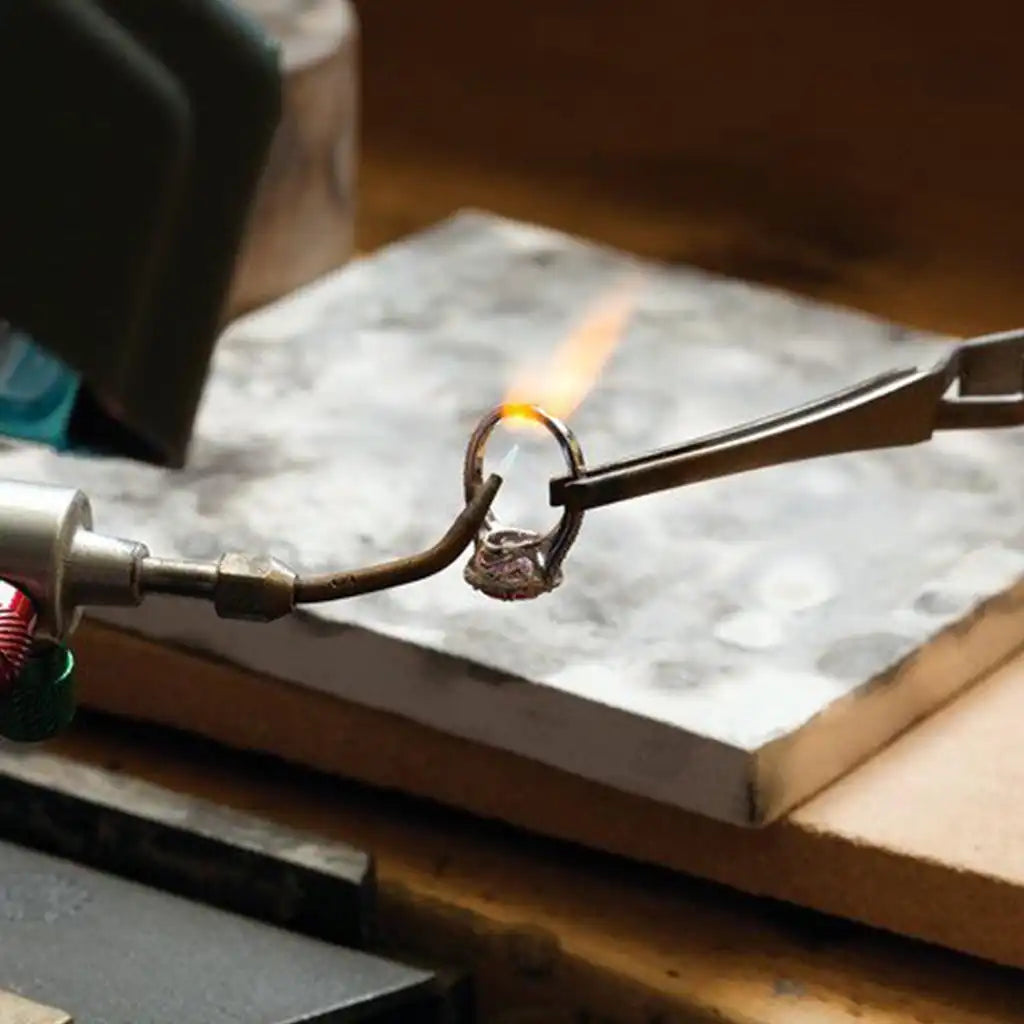

Made to order in the US
Every sapphire piece is made to order, ships in 1 to 3 business days or 2 to 3 weeks depending on the piece, and arrives in eco-friendly gift packaging.