

Citrine jewelry
Citrine necklaces, earrings, and bracelets, made to order. Set in sterling silver, 14K gold-fill, and solid 14K gold.
Shop citrine jewelry


Shop by category


About citrine
Citrine is a a yellow to orange variety of quartz, with most material on the market produced by heat-treating amethyst rated 7 on the Mohs hardness scale, Citrine rates 7 on the Mohs hardness scale, the same as all quartz varieties. For context, a steel nail is roughly 6.5, sapphire is 9, and diamond is 10. At 7, citrine handles regular wear well in any style of jewelry. Clean with warm soapy water and a soft brush, and avoid prolonged exposure to high heat, which can fade or alter the color.. Its color ranges from yellow to golden orange, ranging from pale lemon to deep amber, with the most prized stones showing a clear, saturated golden tone, with the most prized stones showing even saturation and high clarity.
Citrine takes its name from the French citron, meaning lemon. Natural citrine is rare; most citrine on the market is produced by heat-treating amethyst or smoky quartz, a practice that has been refined since the 18th century. The Romans used citrine in jewelry, and it became especially popular in Art Deco pieces in the 1920s and 1930s. Major sources include Brazil, Madagascar, Russia, and Bolivia.
Historically, citrine has been associated with abundance, optimism, and creative energy. In crystal healing and metaphysical traditions, citrine is associated with the Solar Plexus Chakra. It is linked to confidence, manifestation, and a sunny outlook. Practitioners often call it the merchant's stone, used to attract prosperity and motivation, themes that align with November's harvest energy and end-of-year momentum.
Citrine vs yellow topaz
Same color family, different stones. Here's how to choose.
Citrine
Citrine and yellow topaz are different mineral families. Topaz is an aluminum fluorosilicate and rates 8 on the Mohs hardness scale; citrine is a quartz and rates 7. Citrine is the November birthstone alongside topaz, and the two stones overlap in color range, which has led to centuries of historical confusion between them.
Yellow Topaz
Yellow topaz tends toward a richer, more honey-toned gold with higher price points; citrine reads brighter and lighter at far more accessible cost. If you are deciding between the two for November birthstone jewelry, citrine offers the same golden tone with everyday-wearable pricing.
Born in November?
Citrine is one of two modern birthstones for November November birthstones, alongside citrine and topaz are both modern birthstones for November. For people who follow birthstone jewelry traditions, citrine makes a warm gift for anyone born in November. Its golden tone reads like sunshine, the stone is durable enough for daily wear, and the symbolism of abundance and optimism gives the piece meaning beyond its color.
See all November birthstones on the November birthstone jewelry hub.
Shop November birthstone jewelryShop more
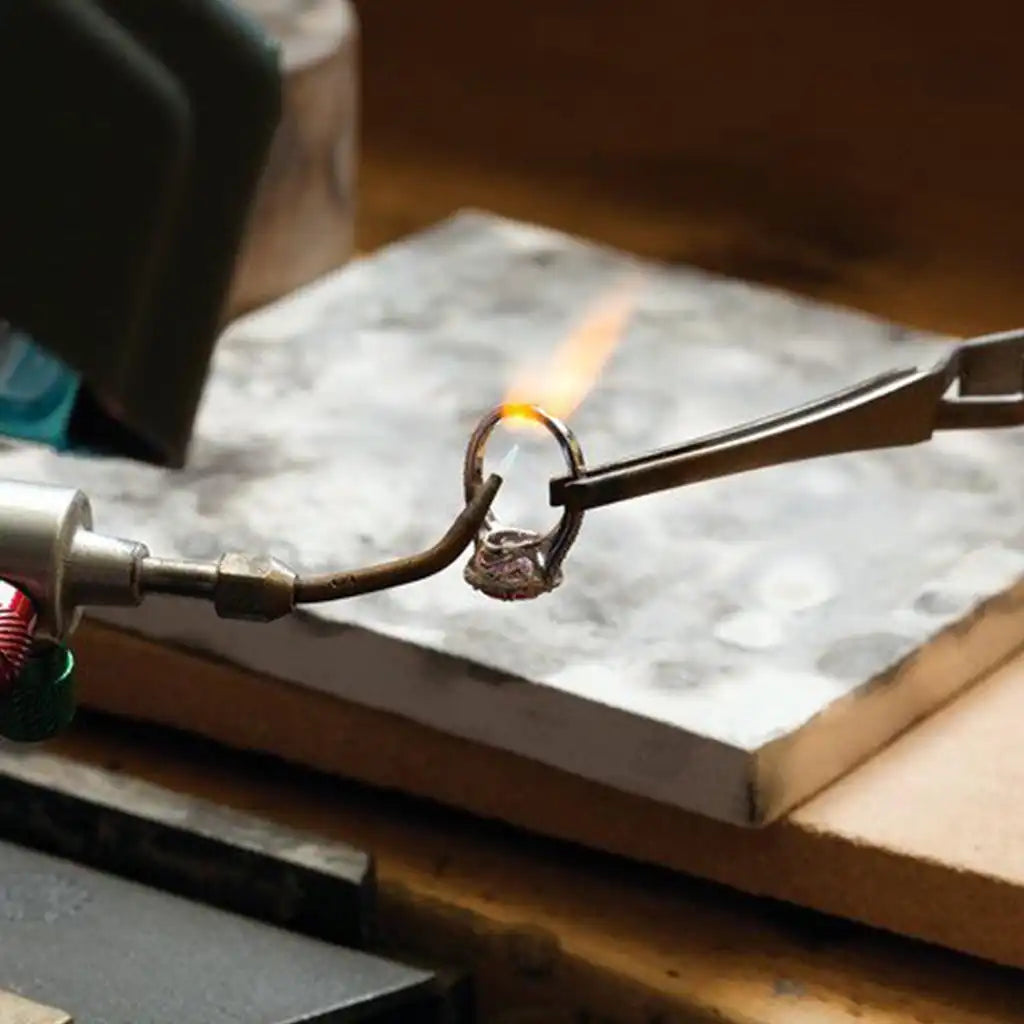

Made to order in the US
Every citrine piece is made to order, ships in 1 to 3 business days or 2 to 3 weeks depending on the piece, and arrives in eco-friendly gift packaging.