

Alexandrite jewelry
Handcrafted alexandrite necklaces, earrings, and bracelets, made to order in our Colorado studio. Set in sterling silver, 14K gold-fill, and solid 14K gold.
Shop alexandrite jewelry


About alexandrite
Alexandrite is a a rare color-change variety of chrysoberyl, a beryllium aluminum oxide, colored by trace amounts of chromium rated 8 on the Mohs hardness scale, Alexandrite rates 8.5 on the Mohs hardness scale, harder than topaz and softer than sapphire. For context, a steel nail is roughly 6.5, sapphire is 9, and diamond is 10. At 8.5, alexandrite is well-suited to everyday wear in any style of jewelry, including rings. Clean with warm soapy water and a soft brush.. Its color ranges from color-changing, appearing bluish-green in daylight and purplish-red under incandescent light, an effect often described as emerald by day, ruby by night, with the most prized stones showing even saturation and high clarity.
Alexandrite was discovered in Russia's Ural Mountains in the 1830s and named after Tsar Alexander II. The original Russian deposits, prized for the strongest color change, were quickly depleted, and today most alexandrite comes from Brazil, Sri Lanka, Tanzania, and Madagascar. Natural alexandrite with strong color change is among the rarest gemstones on Earth, with fine specimens rivaling ruby and emerald in per-carat value.
Historically, alexandrite has been associated with transformation, balance, and adaptability. In crystal healing and metaphysical traditions, alexandrite is associated with the Heart and Crown Chakras. It is linked to personal growth, emotional balance, and the harmony of opposites, themes that mirror the stone's own dual nature. Practitioners often use it as a stone for moments of change and life transitions, fitting for June's bridge between seasons.
Alexandrite vs sapphire
Same color family, different stones. Here's how to choose.
Alexandrite
Alexandrite and sapphire are entirely different mineral families. Sapphire is a variety of corundum and rates 9 on the Mohs hardness scale; alexandrite is a variety of chrysoberyl and rates 8.5. Sapphire's color comes from trace iron and titanium and is typically stable in any light; alexandrite's color comes from chromium and shifts dramatically between daylight and incandescent light.
Sapphire
Sapphire is a more familiar fine gemstone with extensive availability across colors and price points. Alexandrite is far rarer in natural form, and most pieces on the market today are lab-grown to make the color-change effect accessible. If you are deciding between the two, sapphire offers tradition and stability; alexandrite offers a unique optical phenomenon you cannot find in any other stone.
Born in June?
Alexandrite is one of three modern birthstones for June June birthstones, alongside pearl, alexandrite, and moonstone are all modern birthstones for June. For people who follow birthstone jewelry traditions, alexandrite makes an exceptional gift for anyone born in June. Its color-change effect is unlike any other gemstone, the stone is durable enough for daily wear, and the rarity gives it heirloom weight. Most market alexandrite is lab-grown given the scarcity of natural material.
See all June birthstones on the June birthstone jewelry hub.
Shop June birthstone jewelryShop more
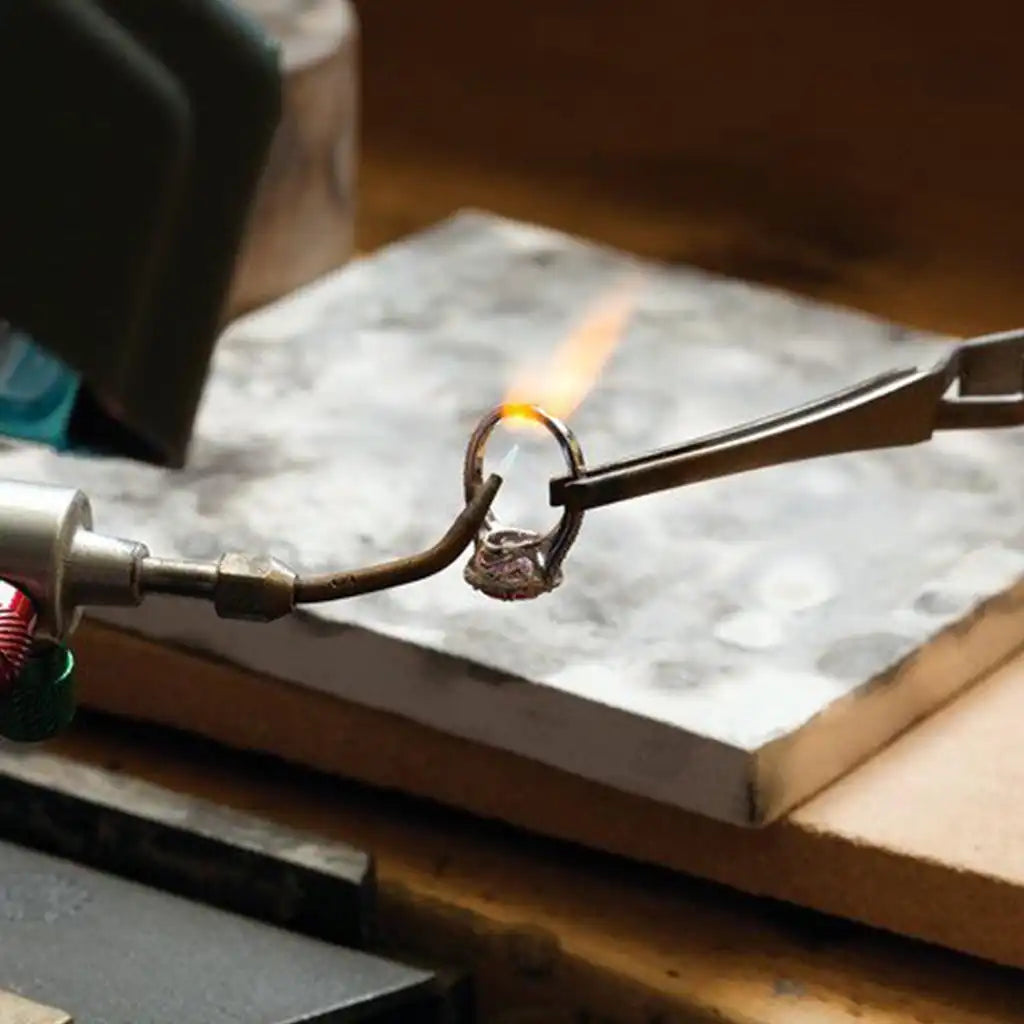

Made to order in Colorado
Every alexandrite piece is handcrafted to order in our Steamboat Springs studio, shipped in about 10 business days, and arrives in eco-friendly gift packaging.