



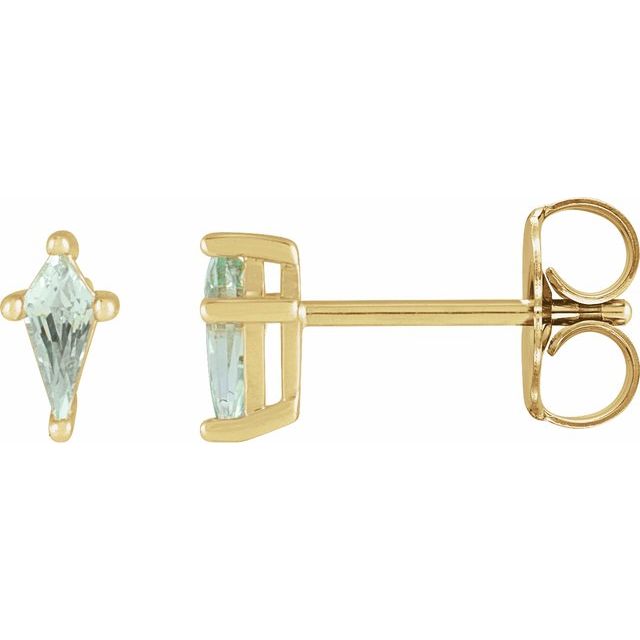
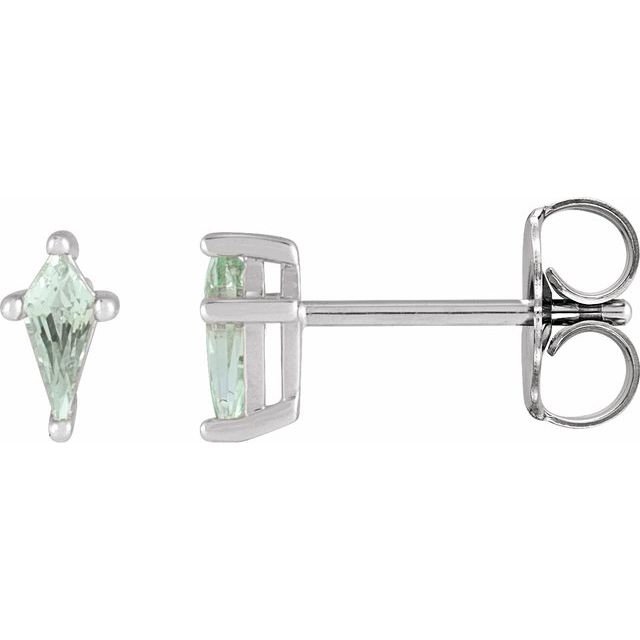
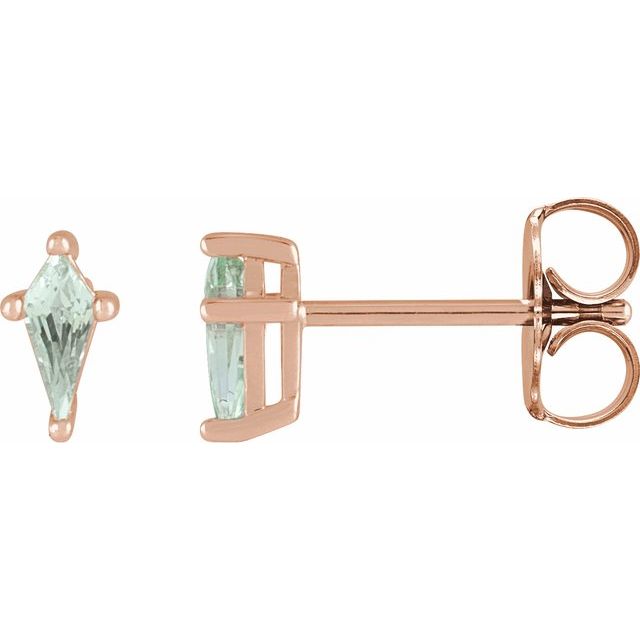
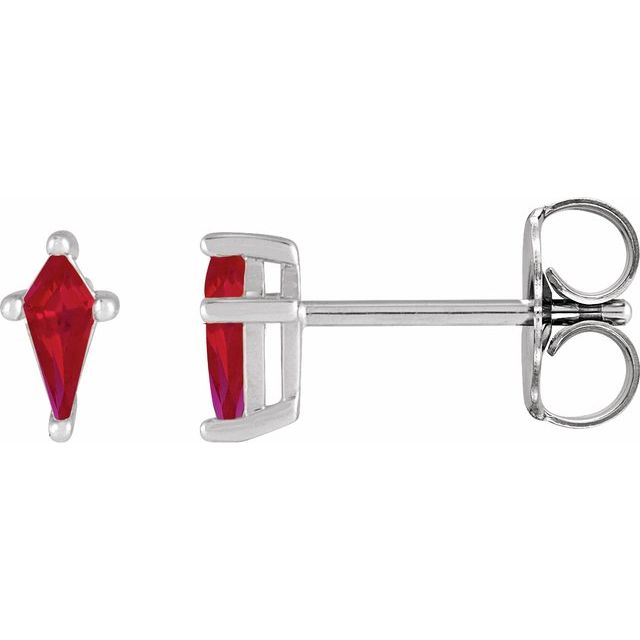
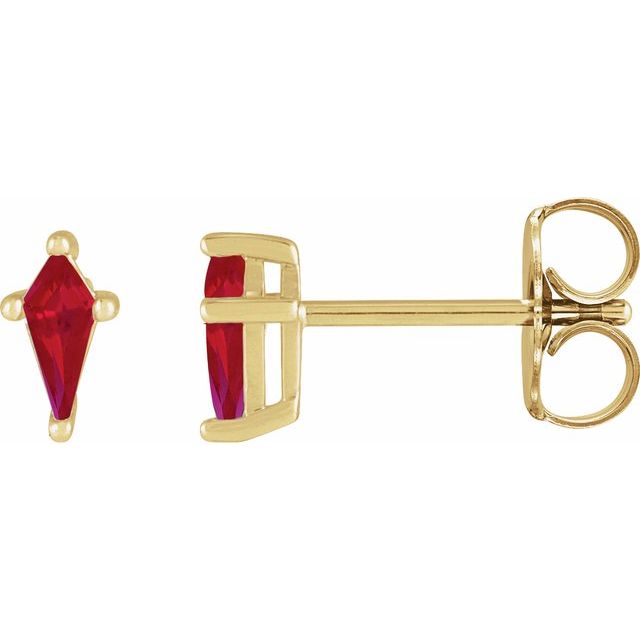
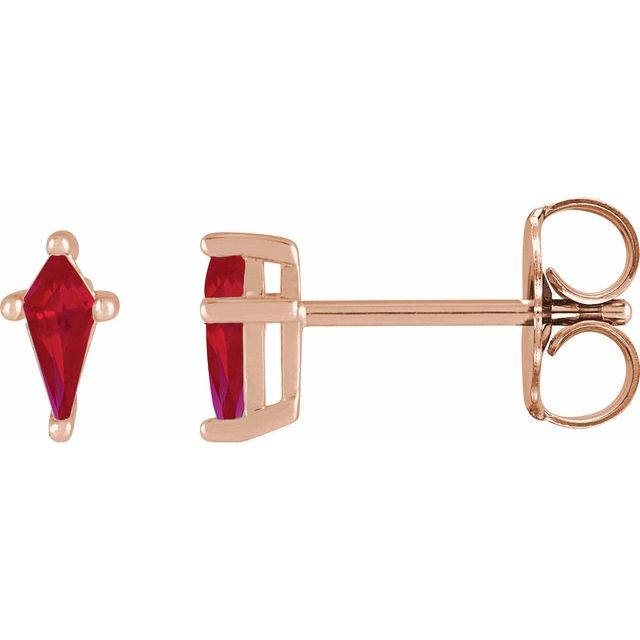
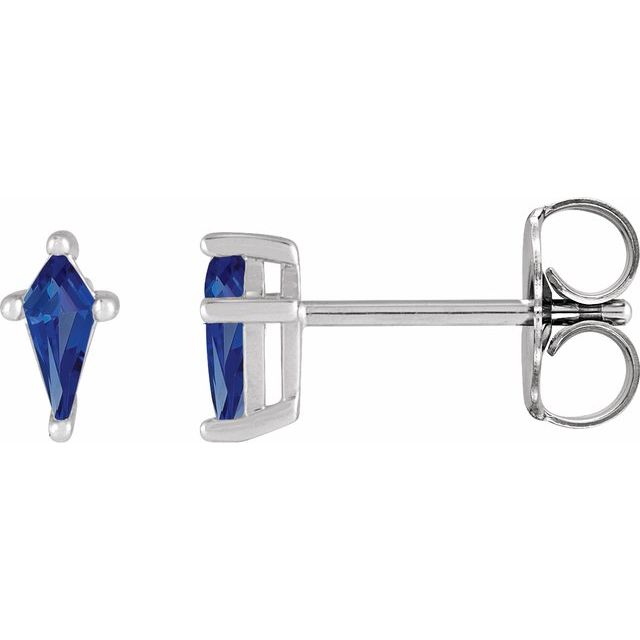
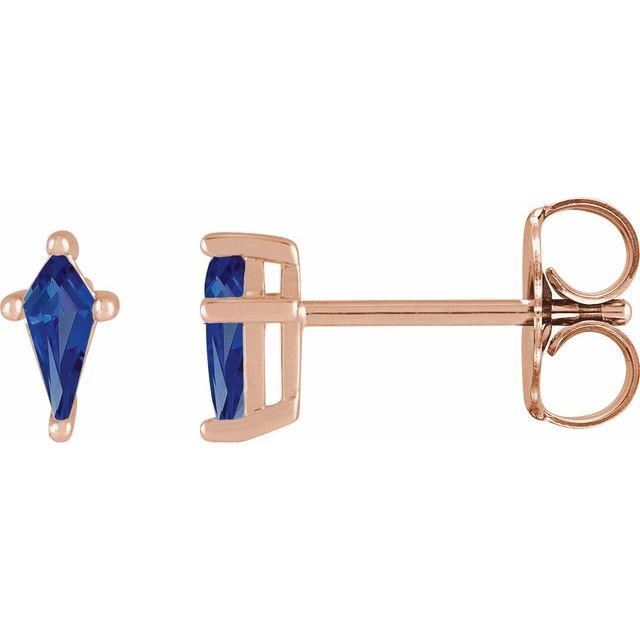
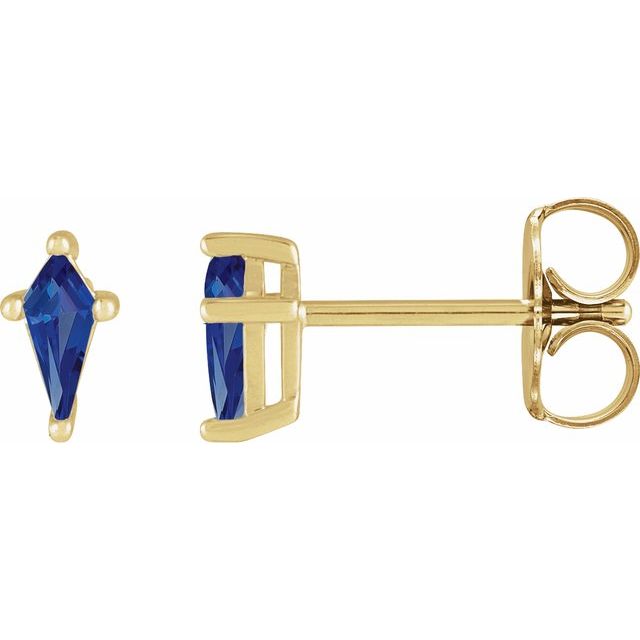
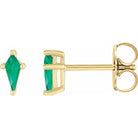

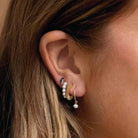
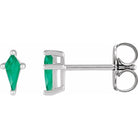
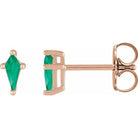
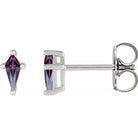
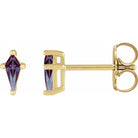
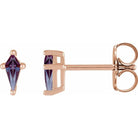
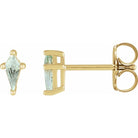
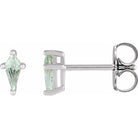
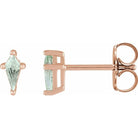
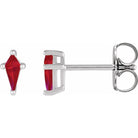
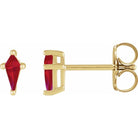
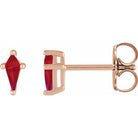
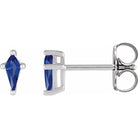
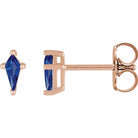
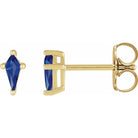
Kite Shaped Gemstone Stud Earrings
Details


Gift-Ready Packaging
Each piece arrives ready to give. No extra wrapping, no last-minute errands, all eco-friendly.
What's Included:
- Signature jewelry box
- Soft travel pouch for safekeeping
- Gift bag + coordinating tissue
- Blank notecard for your message
- Polishing cloth for everyday care





Shipping & Returns
- Free Standard Shipping on all U.S. Orders over $150
- No Quibble Returns
- Have a Question? Contact Us
Quality Guarantee
1-year warranty and lifetime repair service.
(because we're that certain our jewelry's got staying power.)
100% Hand-made in the US
We handcraft each and every element of our pieces in the United States of America.
Responsibly Sourced & Manufactured
We are committed to sustainably sourcing our precious metals + stones.
METALS
Every piece is handcrafted with 100% recycled 14-18ct gold and solid sterling silver, reducing CO2 emissions by over 60%
GEMS
Our gemstones are sourced from all over the world by erin gallagher personally. Our suppliers are certified by the Responsible Jewelry Council and work to stringent social, ethical and environmental standards.
DIAMONDS
Each diamond is assessed for cut, clarity, color and carat and is hand set. Our diamonds are conflict-free and adhere to the
Kimberley Process and the World Diamond Council's System of Warranties.


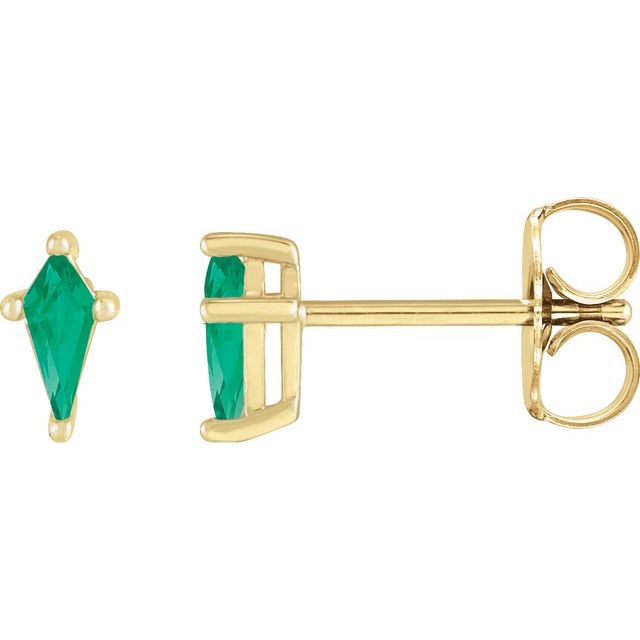
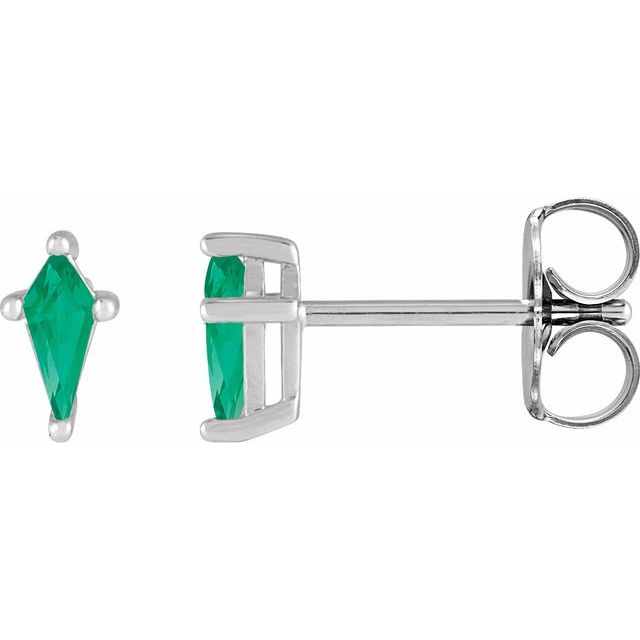
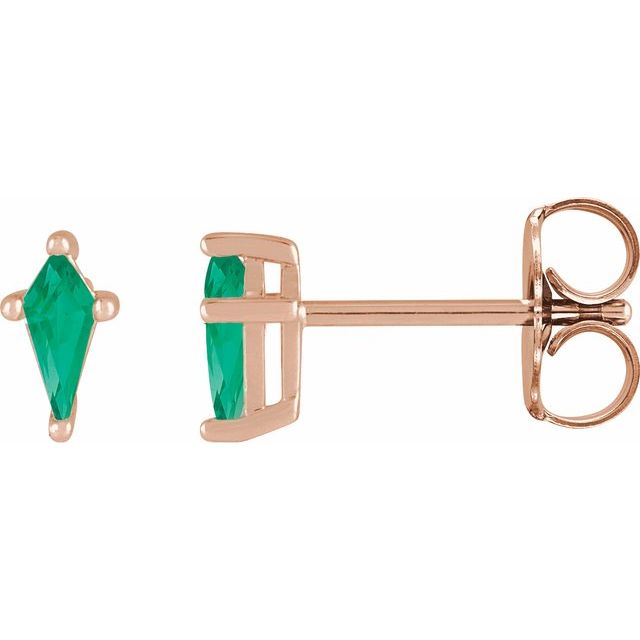
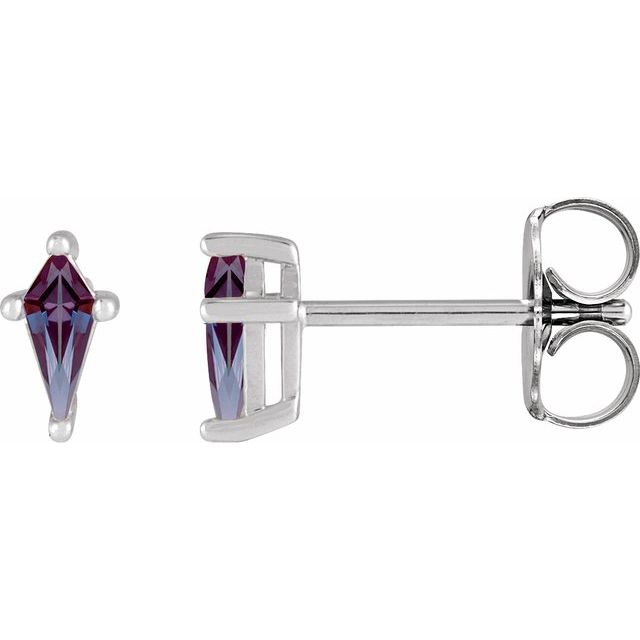
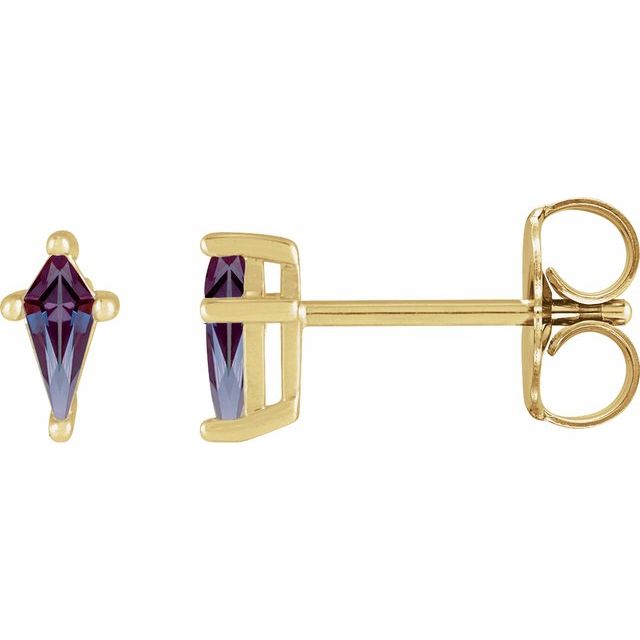
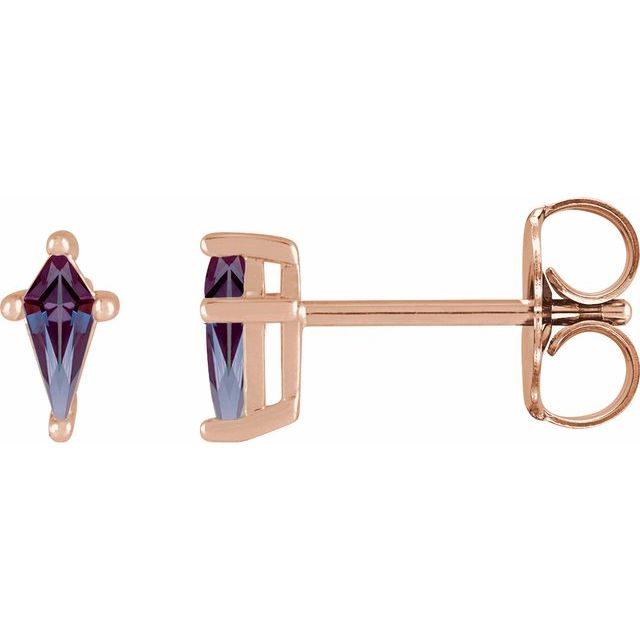
Kite Shaped Gemstone Stud Earrings
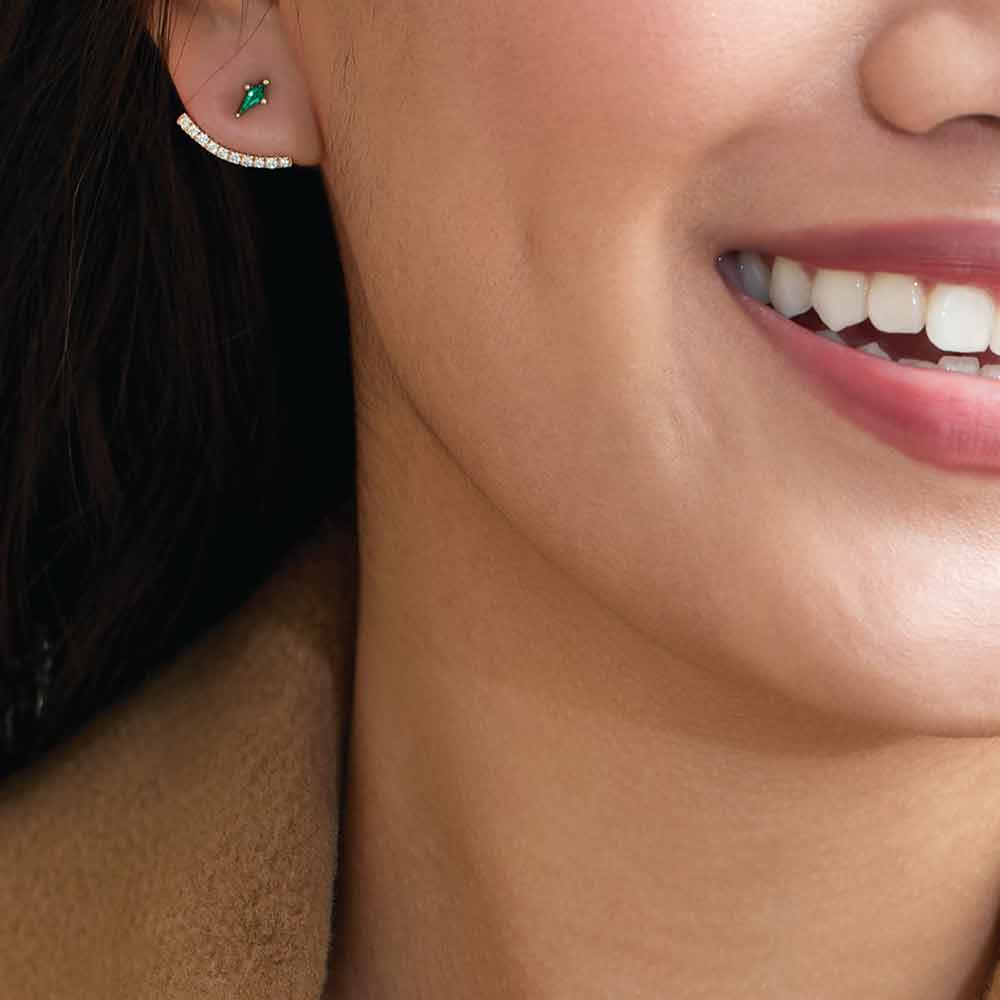
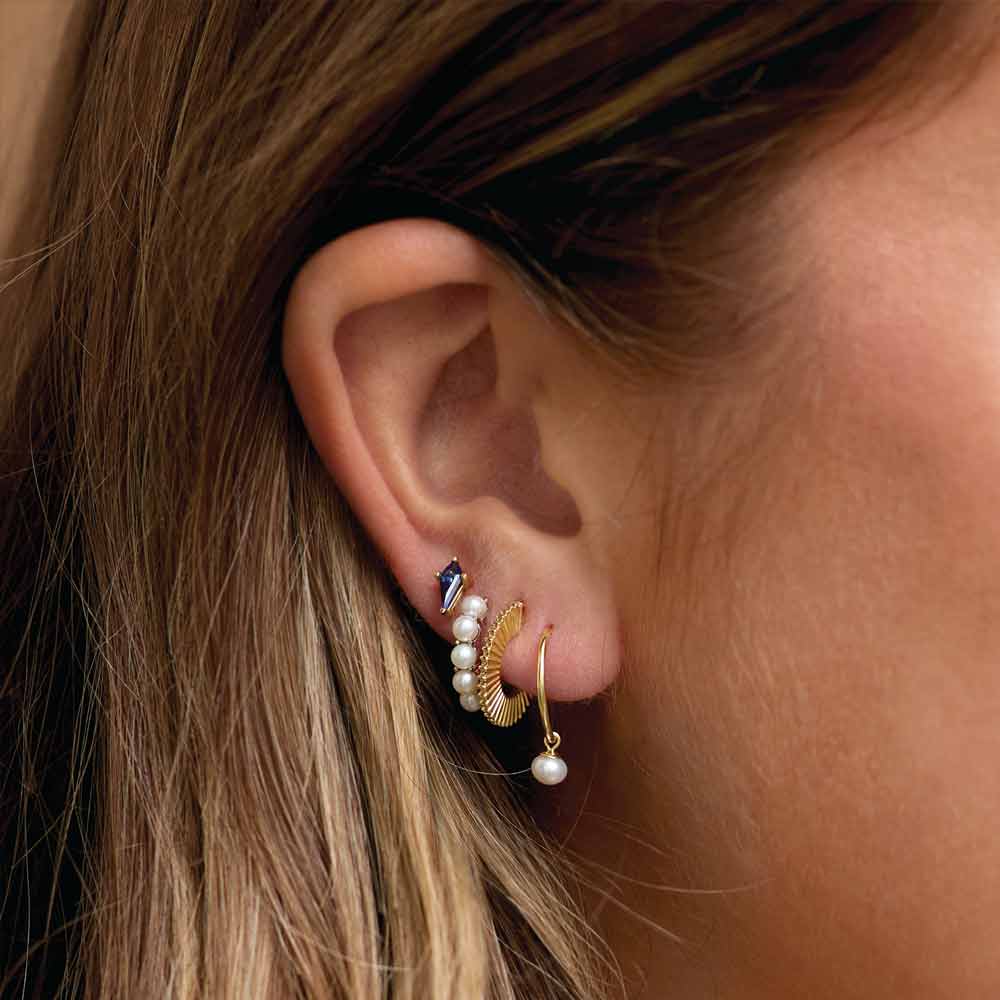
Soar into style with our Kite Shaped Gemstone Stud Earrings! They're not just earrings; they're chic companions, where kite-shaped gemstones catch the light, adding a touch of playful elegance to your lobes.
Kite Shaped Gemstone Stud Earring Details:
- Gemstone: 5x2.25mm
- For Pierced Ears - Friction Post with Backs
-
What Color Ruby Is Most Valuable?
The most valuable ruby color is often described as “pigeon blood red.” This term refers to a vivid, pure red hue with a subtle blue undertone—rich and saturated without appearing dark or brownish. In fine jewelry, value is driven less by brightness alone and more by balance. Highly prized rubies have: Strong, even saturation A true red color (not leaning pink or orange) Depth and glow rather than flatness That said, beauty is personal. Some prefer softer, slightly pinkish reds or deeper, moodier tones. While pigeon blood rubies command the highest prices on the market, many exceptional rubies fall outside this narrow definition and are chosen for their warmth, character, and wearability rather than investment value alone.
-
How Can You Tell a Ruby From a Garnet?
At first glance, rubies and garnets can look similar—they’re both red gemstones commonly used in jewelry. The differences become clearer when you look a little closer. Color tone is the easiest initial clue. Ruby typically shows a vibrant, glowing red that may carry subtle pink or blue undertones. Garnet tends to appear darker, often with brown, wine, or purplish tones. Brilliance and light behavior also differ. Rubies reflect light sharply and evenly, while garnets usually absorb more light, giving them a deeper, less reflective appearance. Hardness matters too. Ruby is significantly harder than garnet. Over time, garnets may show more surface wear, while rubies tend to retain crisp facet edges longer. For absolute certainty—especially in fine jewelry—a professional gemologist or reputable jeweler can confirm identification using magnification and gem-testing tools.
-
How Do You Know If a Ruby Is Genuine?
Determining whether a ruby is genuine involves looking at both visual characteristics and provenance. Natural inclusions Most natural rubies contain small inclusions—often called “silk”—that appear as fine lines or internal features. Completely flawless stones can exist, but they are rare and command exceptionally high prices. Color consistency Genuine rubies usually show subtle variations in color rather than a perfectly uniform red. Stones that appear overly glassy or flat may be synthetic or imitation. Weight and feel Rubies are dense stones and often feel heavier than expected for their size when compared to glass or simulants. Professional verification The most reliable way to confirm authenticity is through documentation. Reputable jewelers disclose whether a ruby is natural, treated, lab-grown, or simulated. Gemological reports from recognized laboratories provide the highest level of assurance. It’s also worth noting that many natural rubies on the market are heat-treated—a widely accepted practice that enhances color and clarity. This does not make a ruby “fake,” but it should always be disclosed.
-
What’s the Difference Between Natural, Lab-Grown, and Imitation Rubies?
This distinction matters for both value and transparency. Natural rubies are mined from the earth and may be untreated or treated (most commonly with heat). Lab-grown rubies have the same chemical and physical properties as natural rubies but are created in controlled environments. Imitation rubies are made from materials like glass or other gemstones and do not share ruby’s durability or composition. All three can be beautiful when properly represented—but they should never be confused with one another. Clear disclosure is key to informed, confident buying.
-
Does Ruby Color Affect Durability or Wear?
No—color affects value and aesthetics, not strength. Ruby’s durability comes from its mineral composition, not its shade. This makes ruby an excellent choice for earrings intended for frequent wear. However, lighter or darker stones may show dirt or buildup differently, so regular gentle cleaning helps maintain brilliance regardless of color.
-
Is a Darker Ruby Better Than a Brighter One?
Not necessarily. While very dark rubies can appear dramatic, stones that are too dark may lose their inner glow and appear almost black in low light. Highly valued rubies strike a balance: rich saturation with enough brightness to reflect light from within. The “best” ruby color is ultimately the one that feels most compelling to you—one that complements your skin tone, wardrobe, and personal style.
-
Why Ruby Color Matters in Earrings
Because earrings sit close to the face, ruby color plays an outsized role in how the stone reads. Well-chosen rubies add warmth and vitality, subtly enhancing natural features without overpowering them. This is why ruby earrings are often selected not just by birthstone, but by feeling. The right ruby doesn’t compete—it harmonizes.